
Have you ever had a project where:
- Costs ballooned right at the end?
- You discovered the plant couldn’t fit into the space you’d allowed for it?
- The whole programme slipped because services weren’t thought through early enough?
- Sustainability was never fully possible because it was an afterthought.
If so, you’ve lived through the most common — and costly — symptom of getting M&E involved too late.
Over a third of your project budget is tied up in mechanical, electrical and drainage. Yet too often M&E is bolted on after planning has been submitted. By then, the design is already locked — and that’s when redesigns, delays and spiraling costs start.
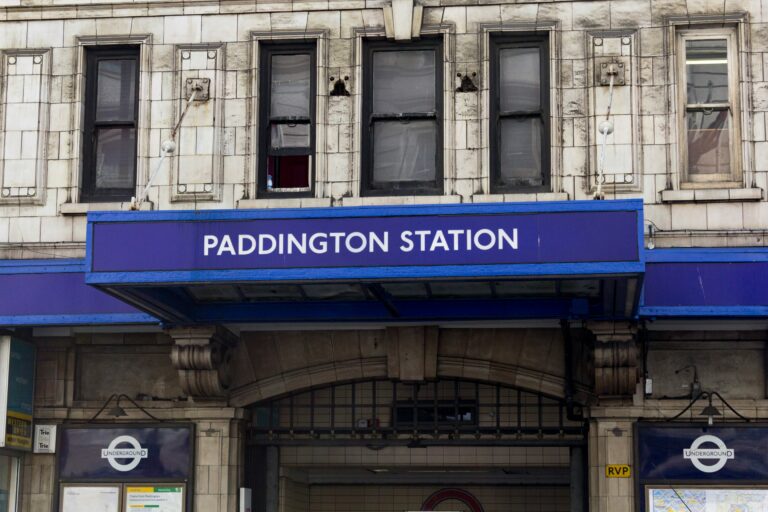
I was in a meeting recently on a retail development in Praed St, above the underground, where the entire project hinged on how electrical, telecoms, and water could be installed into an existing basement. The footpath had to be dug up. Enabling works had to be done before scaffolding could be erected. If we hadn’t understood the implications, the whole programme would have been in serious delay.
We always bring MEP consultants on early site visits with the client. Why? Because they spot issues upfront, saving time, money, and resources before drawings are finalised.
And here’s the part that often gets overlooked:
It’s not just about cost and programme.
Comfort, data, water, drainage, lighting, electrics, and especially the sustainability agenda are all driven by M&E.
M&E combined with the building fabric (walls, roof, floor) determine how much energy is consumed while the building is in use (operational energy), and how much energy can be stored.
Imagine if your building was a powerhouse that exported energy to the grid.
These are the systems that determine whether your building is future-ready, energy efficient, and fit for purpose in a digitised world.
👉 The earlier you bring M&E into the room, the more resilient, comfortable, and sustainable your project becomes.
This is what we call the sustainability and services first approach.