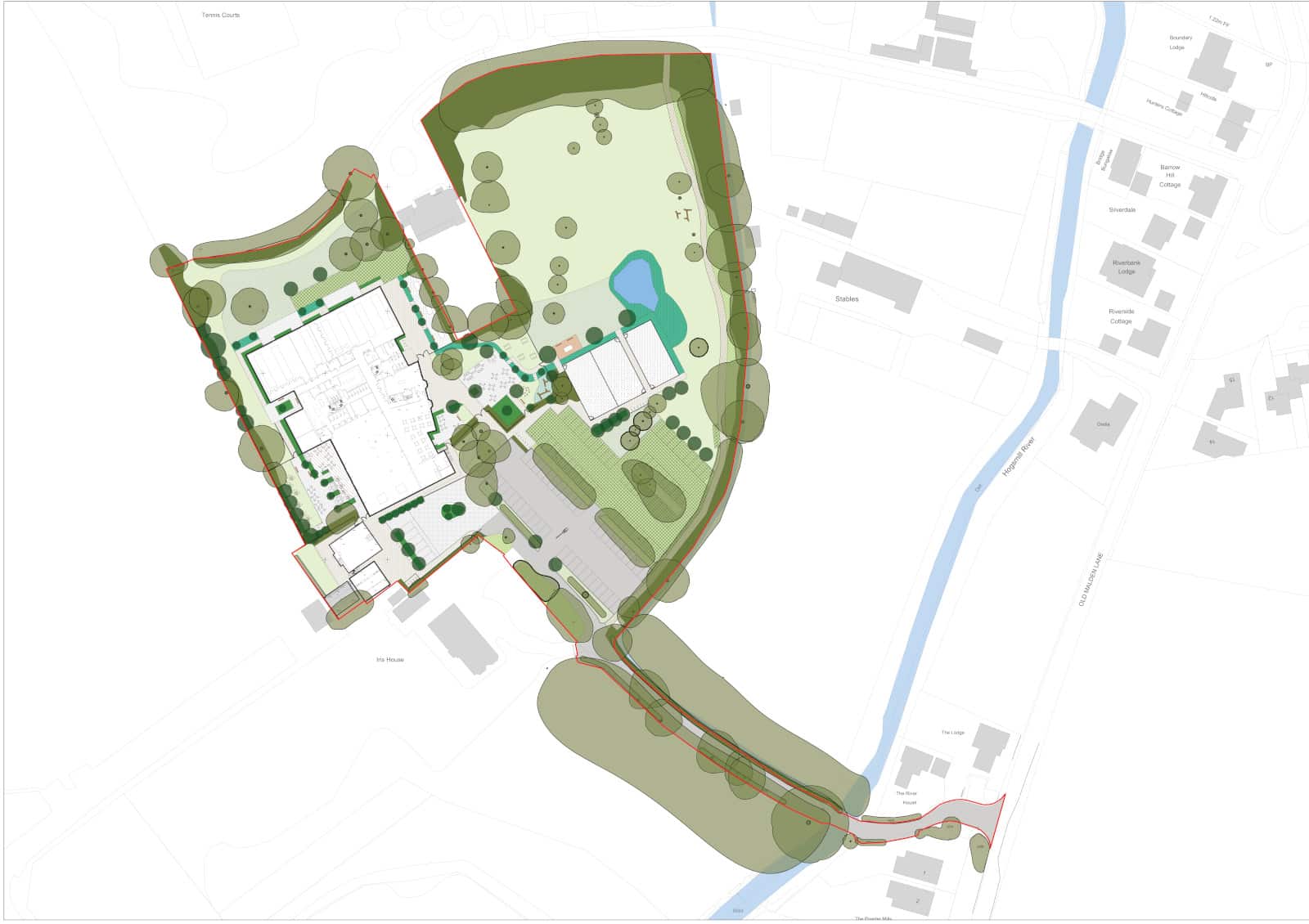
Gaining planning for a new sports project is complex and involves considerable expenditure.
The aim will be to design a facility that attracts new club members, fans and athletes.
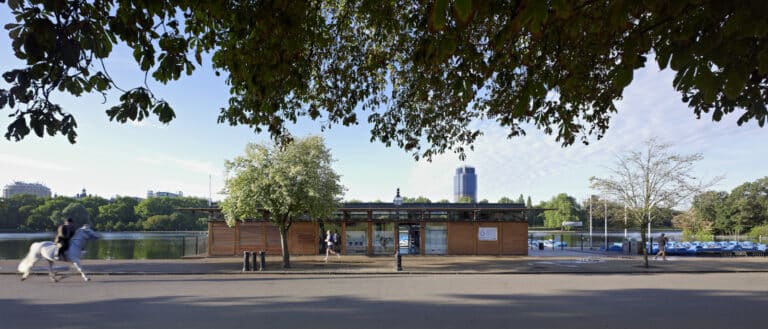
We have gained permissions for sports and leisure projects in both conservation areas (London Borough of Brent), royal parks (Westminster) and the green belt (London Borough of Kingston).
If you don’t get the right advice at the outset, you can waste thousands of pounds.
We can help you as design advisors to build a team to make sure you have the right consultants for your project.
You will need to know planning restrictions and constraints before you start design.
You may need advice on procurement and how to finance the project.
Below are seven key tips for business owners, facility managers, sports clubs or school bursars to help you get started:
- Your need a great brief
Create a brief that inspires your design team and sets clear ambitions without limiting creativity.
You may need support from a design advisor to translate your needs into a brief.
Once it is written the next step is a feasibility study to clarify and test your brief, options and identify constraints.
- Productivity and wellness
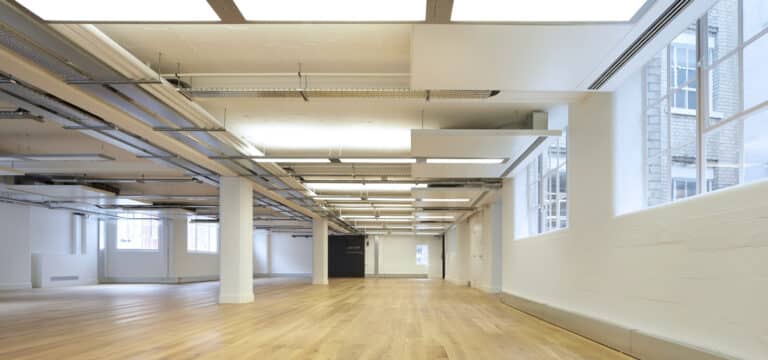
Demand exceptional indoor conditions. Good air quality and natural lighting are required for productivity and high performance.
Your building needs to collect data, adjust temperatures, lighting and open windows to optimise internal conditions.
Outdoor spaces and courtyards that will enhance wellbeing and performance at work.
- Inclusive design
Ensure your building supports a wide range of physical, cognitive and sensory needs, including neurodiversity and autoimmune-related sensitivities.
The building of tomorrow will need spaces for wellness, stress reduction and spaces that facilitate creativity and innovation.
How does your facility provide a great experience for all members, visitors or athletes?
- Building Performance
The decisions that shape energy use and internal comfort are made at the beginning of the project.
Your brief should establish performance criteria for the project to minimise operational energy.
The performance then needs to be measured when the facility is operational.
- Flexibility
If your building is not flexible, it will become obsolete quickly.
Long procurement and construction timelines mean your design must anticipate change.
Use structural platforms that support reconfiguration and adopt modular services—plug-and-play MEP systems that allow spaces to be adapted, extended or upgraded with minimal disruption.
- Landscape, biodiversity and biophilic design.
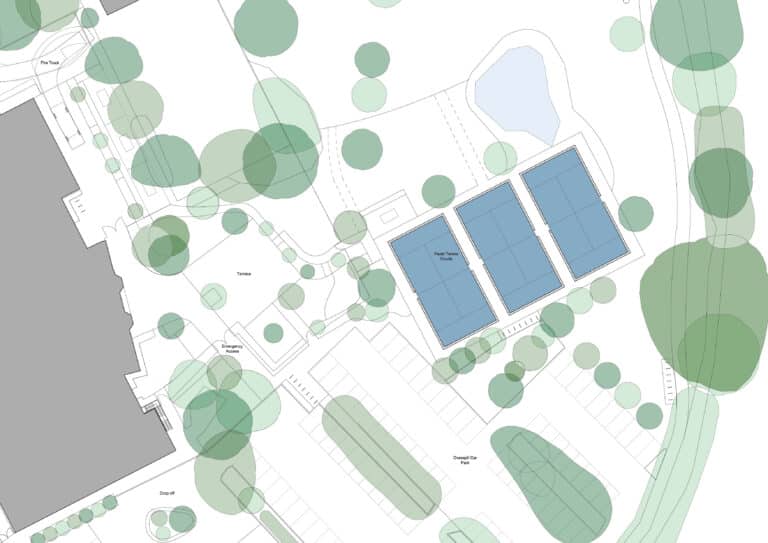
A good master-plan will make sure that the decisions on access, parking, field of play locations do not limit your options in the future.
Biophilic design involves creating buildings and spaces that connect people with nature.
Regenerative design ensures the built environment has a net positive impact on natural systems.
Both will be essential in gaining planning permission for your project.
- Flooding
Landscape strategies, location, raised ground floors and permeable paving will help reduce the impact of flooding in the future.
Flooding is only going to get worse.
Flood prevention must be considered at the outset
The landscape, biodiversity and buildings should be thought about as one interconnected ecosystem that collect and process water.